Staying focused at work is one of the biggest challenges office beginners face. Notifications, meetings, emails, and unclear priorities can quickly turn a workday into a cycle of distraction and fatigue. Many beginners feel busy all day but struggle to complete meaningful work.
This is where the Pomodoro Technique for office beginners becomes useful. It is a simple, structured focus system that helps you work with your brain instead of fighting it. You don’t need complex tools, productivity apps, or years of discipline. You only need a timer and a clear task.
In this guide, you’ll learn what the Pomodoro Technique is, why it works so well for beginners, how to use it step by step in an office environment, and how to avoid common mistakes. You’ll also see real-world examples and supporting statistics to help you apply it confidently.
What Is the Pomodoro Technique?
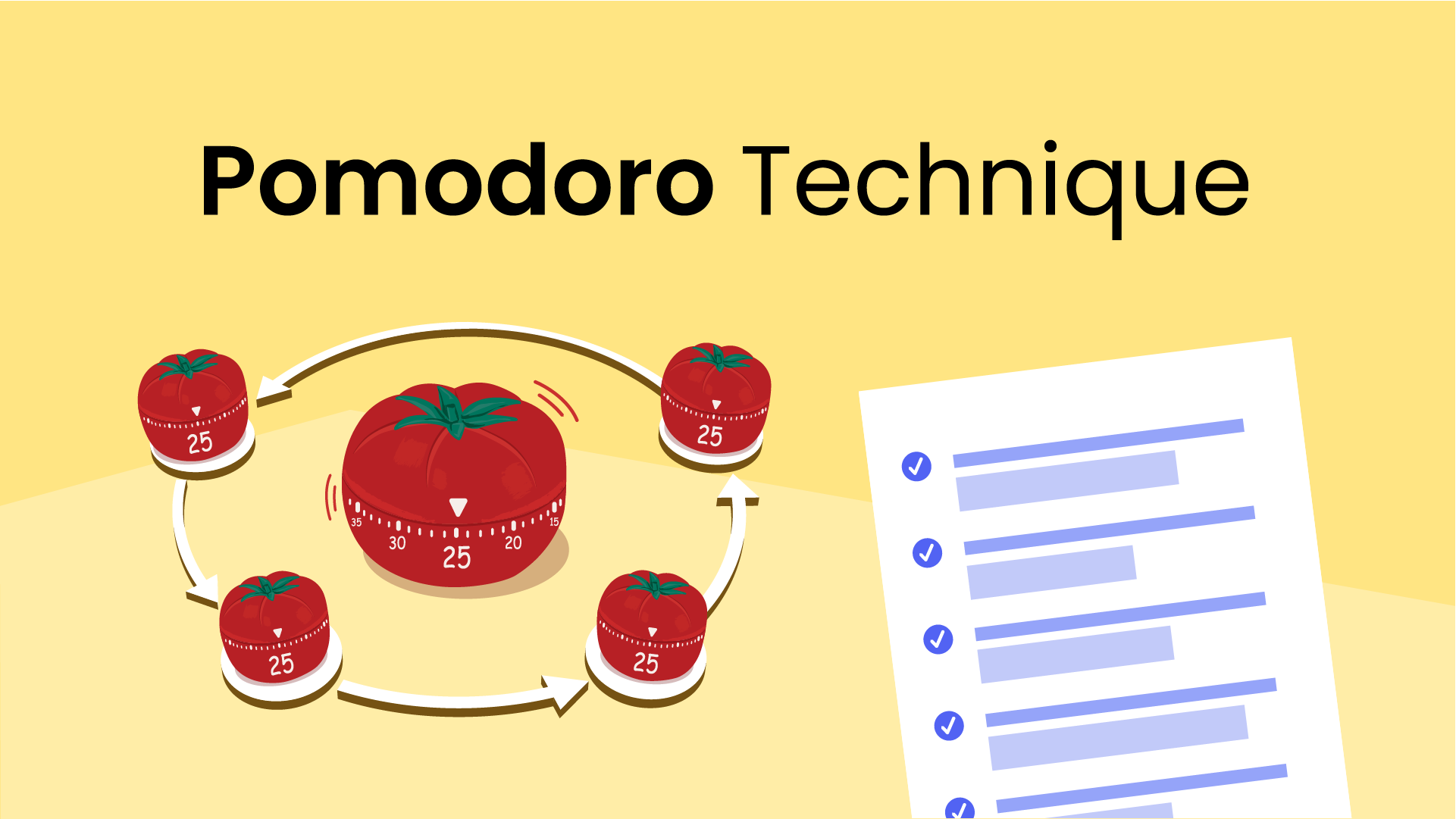
The Pomodoro Technique is a simple yet effective time management method designed to improve focus and reduce mental fatigue during work. It was developed by Francesco Cirillo in the late 1980s to help people stay productive without feeling overwhelmed. Instead of working for long, exhausting hours, the technique encourages working in short, highly focused intervals followed by planned breaks. This structured approach helps maintain energy levels and prevents burnout throughout the day. For office beginners, it offers a practical way to stay productive without needing advanced tools or complex systems. The core idea is simple:
Work in short, focused intervals
Take planned breaks
Repeat this cycle to maintain energy and concentration
A single Pomodoro cycle typically looks like this:
25 minutes of focused work
5 minutes of break
After 4 cycles, take a longer break (15–30 minutes)
The method is especially effective for office beginners because it removes the pressure of working for long, undefined hours. Instead of thinking, “I have to finish this entire task today,” you think, “I just need to focus for 25 minutes.”
Why the Pomodoro Technique Works for Office Beginners
Office beginners often find it difficult to stay focused throughout the workday. New environments, unclear priorities, and constant notifications can quickly drain mental energy. Many also struggle to judge how long tasks will take, leading to stress and unfinished work. The Pomodoro Technique directly addresses these challenges with a simple, structured approach.
The Pomodoro Technique addresses all three.
1. It Reduces Mental Overwhelm
Large tasks can feel intimidating when you are new to office work and expectations are unclear. Pomodoro breaks these tasks into short, manageable time blocks that feel easier to start. Focusing for just 25 minutes removes the pressure of completing everything at once. This helps office beginners feel more in control of their workload.
2. It Matches Natural Attention Spans
Most people can only maintain deep focus for a limited period before attention begins to decline. The Pomodoro Technique aligns with this natural focus window by encouraging work in 20–30 minute intervals. This prevents mental exhaustion and keeps the brain engaged. For beginners, this makes sustained focus more realistic and achievable.
3. It Encourages Consistent Progress
Waiting for motivation often leads to procrastination, especially for office beginners. Pomodoro shifts the focus from motivation to action by creating a fixed work structure. Each completed session builds momentum and a sense of achievement. Over time, these small wins lead to steady and measurable progress.
According to a study published in the Journal of Applied Psychology, frequent short breaks improve focus and reduce exhaustion more effectively than infrequent long breaks.
How the Pomodoro Technique Fits into Office Work
Many office beginners assume that the Pomodoro Technique is mainly meant for students or creative professionals who control their own schedules. However, modern office work also involves long periods of screen time, mental effort, and frequent distractions. Tasks like writing emails require sustained focus rather than constant availability. The Pomodoro Technique fits naturally into these work patterns by providing a clear structure for focused effort without ignoring the realities of office interruptions. When used correctly, it helps beginners balance productivity with mental energy, even in a typical office environment. In reality, it adapts well to common office tasks such as:
Writing emails and reports
Preparing presentations
Analyzing data or documents
Learning new tools or systems
Planning tasks and schedules
Example:
An office beginner working in marketing may feel distracted while creating a campaign brief. Instead of trying to finish it in one sitting, they can complete:
1 Pomodoro: outline key points
1 Pomodoro: write the first draft
1 Pomodoro: revise and polish
This structured approach reduces fatigue and improves quality.
Step-by-Step: How to Use the Pomodoro Technique at the Office
Using the Pomodoro Technique at the office does not require major changes to your workday. The key is to apply it in a simple, structured way that fits your tasks and environment. The steps below show how office beginners can start using Pomodoro effectively without disrupting daily work routines.
Step 1: Choose One Clear Task
Before starting, define exactly what you will work on. Avoid vague tasks like “work on project.” Instead, choose something specific.
Example: “Draft the introduction section of the report.”
Clear tasks prevent wasted focus time.
Step 2: Set a 25-Minute Timer
Use a phone timer, desk timer, or simple app. During this time:
Work only on the chosen task
Avoid emails, chats, and notifications
If distractions arise, note them and return to the task
The key is single-tasking, which is crucial for productivity routines for office beginners.
Step 3: Take a 5-Minute Break
After the timer ends:
Step away from the screen
Stretch, walk, or drink water
Avoid starting new tasks or scrolling deeply
Breaks are part of the system. They help reset your focus and prevent burnout.
Step 4: Repeat the Cycle
Complete up to four Pomodoro sessions, then take a longer break.
Example: A beginner analyst may complete four Pomodoros reviewing spreadsheets, then take a 20-minute lunch or walk break.
Adjusting the Pomodoro Technique for Real Office Conditions
Office work rarely happens in perfect, interruption-free blocks. Meetings, urgent messages, and team requests are a normal part of the day, especially for beginners. The Pomodoro Technique is not meant to be rigid or stressful in such situations. With a few small adjustments, it can be adapted to fit real office conditions while still preserving focus and productivity.The Pomodoro Technique is flexible.
When Interrupted:
Pause the timer
Resume after the interruption
Or restart a fresh Pomodoro if focus is broken
When Tasks Are Short:
Group similar tasks into one Pomodoro. Example: replying to emails or updating trackers.
When Tasks Are Long:
Break them into multiple Pomodoros across the day.
This adaptability makes the Pomodoro Technique for office beginners practical, not rigid.
Common Mistakes Beginners Make with Pomodoro
Many office beginners start using the Pomodoro Technique with good intentions but struggle to see results. This often happens because the method is applied incorrectly or too rigidly. Understanding these common mistakes can help beginners use Pomodoro more effectively and sustainably.
1. Treating Breaks as Optional
Some beginners skip breaks to finish more work, thinking it will increase productivity. In reality, continuous work leads to mental fatigue and declining focus. Breaks are a core part of the Pomodoro Technique, not a reward. Taking short breaks helps the brain recover and perform better in the next session.
2. Multitasking During Pomodoros
Checking messages, emails, or notifications during a Pomodoro breaks concentration. Even short interruptions reduce cognitive efficiency and increase task completion time. Pomodoro works best when attention is given to one task only. Beginners should aim for true single-tasking during focus intervals.
3. Overloading the Day
New users often schedule too many Pomodoros, assuming more sessions equal more productivity. This leads to burnout and frustration, especially in an office setting. Beginners should start with a realistic number of sessions based on energy levels. Gradually increasing Pomodoros is more effective than forcing long workdays.
Research from the University of California, Irvine found that task switching can reduce productivity by up to 40%.
How Pomodoro Supports a Daily Productivity Routine
Pomodoro is most effective when it becomes part of a structured daily work routine rather than a standalone technique. Office beginners benefit from having clear focus blocks mapped to different energy levels throughout the day. Integrating Pomodoro into daily workflows helps create consistency, balance, and better time awareness.
Morning: Use Pomodoros for Deep, High-Focus Tasks
Morning hours often come with higher mental clarity and fewer interruptions. This is the ideal time to schedule Pomodoros for important or complex tasks. Using focused work blocks early helps beginners make meaningful progress before distractions increase. It also sets a productive tone for the rest of the day.
Afternoon: Use Shorter Cycles for Lighter or Administrative Work
Energy levels tend to dip in the afternoon, making deep focus more difficult. Pomodoros during this time can be used for emails, documentation, or routine updates. Short, structured work sessions help prevent procrastination and mental fatigue. This keeps productivity steady without forcing intense concentration.
End of Day: Use One Pomodoro for Planning Tomorrow’s Tasks
Ending the day with a planning Pomodoro helps beginners review completed work and prepare for the next day. This session can be used to organize tasks, set priorities, and reduce next-day stress. Clear planning improves time estimation and focus. It also helps beginners start the next workday with direction.
This structure creates rhythm, predictability, and control over the workday.
Tools You Can Use (Optional)
The Pomodoro Technique does not require any special tools to be effective. However, some office beginners may find basic tools helpful for building consistency and staying on track.
Physical Timers (Least Distracting)
A simple desk or kitchen timer helps maintain focus without digital distractions. Physical timers are especially useful for beginners who get distracted by phones or notifications.
Simple Pomodoro Apps
Basic Pomodoro apps can automate timing and break reminders. Beginners should choose minimal apps that focus on timing rather than complex productivity features.
Calendar-Based Focus Blocks
Scheduling Pomodoro sessions directly on your work calendar helps protect focus time. This approach also makes it easier to balance meetings with focused work blocks.
Avoid over-optimizing tools early on. Building the habit of focused work matters far more than using the perfect app or system.
Final Thoughts: Is the Pomodoro Technique Worth It for Beginners?
The Pomodoro Technique is not a magic fix, but it is one of the simplest and most effective focus systems for office beginners. It teaches discipline without pressure, structure without rigidity, and productivity without burnout.
For beginners adjusting to office culture, expectations, and workloads, this method provides clarity and confidence. Over time, it also improves time estimation, concentration, and work quality.
If you’re building a productivity routine for office beginners, Pomodoro is an excellent foundation. Start small, stay consistent, and adapt it to your work style.
FAQs
1. Is the Pomodoro Technique suitable for office beginners?
Yes. The Pomodoro Technique for office beginners is especially effective because it simplifies focus, reduces overwhelm, and builds consistency without requiring advanced productivity skills.
2. Can Pomodoro work in a busy office environment?
Yes. While interruptions happen, Pomodoro can be paused or adjusted. Even partial focus blocks are more effective than unstructured work time.
3. How many Pomodoros should a beginner aim for daily?
Beginners should start with 6–8 Pomodoros per day and adjust based on energy levels and task complexity.
4. Does Pomodoro improve long-term productivity?
Yes. Studies show structured work cycles with regular breaks improve sustained attention, reduce burnout, and enhance task completion over time.
5. Should I use Pomodoro every day?
You don’t have to. Many office beginners use it for deep-focus tasks and lighter methods for routine or collaborative work.





No responses yet